
In the rapidly changing world of e-commerce and digital retail, the ability of visual show products in a convincing way has revolutionized the game. This is particularly true in the furniture industry where the touch, look and fit of the product are important factors in the buying decision. The 3D product configurator is a revolutionary tool that has revolutionized how furniture buyers shop online as well as in stores.
The rise of 3D product Configurators
A 3D product configurator is a software which allows customers to look at and interact with the product in three dimensions. Contrary to static images, 3D configurators allow users to zoom in, rotate and customize their items in real-time. The technology is getting increasingly well-known, especially in the furniture industry. It gives shoppers an exciting and dynamic shopping experience.
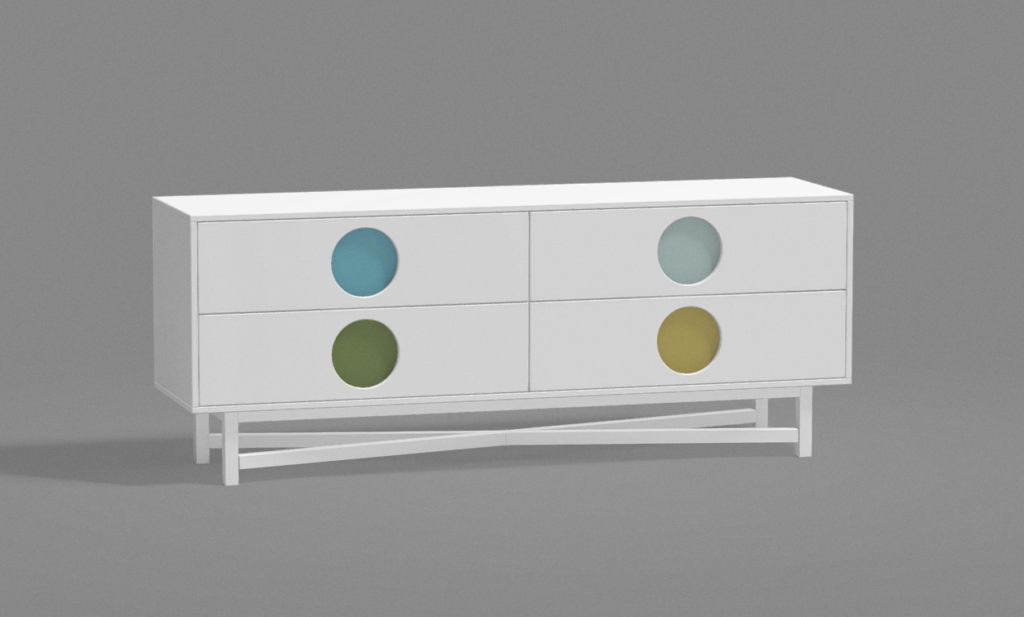
Online furniture configurators help improve the customer experience
A furniture configurator lets users to enjoy a more personal experience. Customers can view how furniture will look from every angle, and can alter the colors as well as finishes, materials and colors and imagine how it will look in the space they have created. This interactive experience makes shopping more enjoyable, but aids customers to make informed decisions when purchasing.
For instance, Virtenzo’s 3D furniture configurator lets users transform their online shopping experience by offering stunning 3D detail and customization options. This type of interaction bridges the gap between physical and online shopping by giving customers confidence in their purchases.
Boosting E-commerce Sales with Interactive 3D Furniture Configurators
3D product configurators have a significant impact on sales online. Interactive 3D-based visualizations have been proven to improve the conversion rate and lower returns. Customers are more likely to purchase the product when they have a an understanding of the product.
A 3D furniture configurator also allows retailers to showcase a vast range of product variations without the need to produce and photograph each one. This allows retailers to showcase a wide range of product variants without having to design and photograph each one.
Immersive 3D configurators: The Future of Furniture Shopping
As technology continues to improve in the field of furniture, the future of shopping will be determined through immersive 3D configurators. They are expected to be even more sophisticated by incorporating features like AR (augmented reality) (AR) as well as virtual reality (VR) to further improve the shopping experience.
For instance, consumers could utilize AR to envision furniture pieces in their actual living space through their smartphone or VR to explore an online showroom and view objects in a realistic environment. These new technologies will allow shopping to become more interactive and personal.
Implementing 3D Product Configurators: A Guide for Furniture Makers
For furniture manufacturers and retailers installing a 3D product configurator could be overwhelming. However, the benefits are higher than the obstacles. Here’s a step-bystep guide on how to get started:
Select the right platform. Select a platform that matches your goals and business needs. Look at features like customizing, integration ease, and the ability to scale.
Make 3D models that are high quality of your furniture. This could require hiring experts to ensure accuracy and precision.
Integrate with Your Website: Work with your web development team to integrate the configurator seamlessly to your store online. Make sure it’s mobile friendly so that customers can use it on any device.
Improve your experience by adding AR/VR. Add VR or AR to make it even more immersive.
Marketing Your New Tool – Promoting your 3D configurator using your marketing channels. The benefits you can offer your customers, and provide instructions on how to use it.
The final sentence of the article is:
3D product configurators are changing the furniture industry, providing customers an exclusive experience while boosting sales. These tools allow customers to personalize products and interact with them in real-time in order to make buying more enjoyable and informative, bridge the gap that exists between online and retail shopping. The integration of AR/VR is expected to continue to transform the way people shop as technology continues to advance. Experiences that are immersive in shopping are the new fashion. Implementing this technology by furniture makers and retailers isn’t an option but rather essential to be competitive in today’s digital age.